How Safety Training Companies Are Using Niche Content to Book More B2B Sales Calls
If you're running a safety training company, you've probably noticed that traditional marketing approaches aren't cutting it anymore. Cold calling yields diminishing returns, trade shows are expensive with uncertain ROI, and your generic "workplace safety solutions" messaging gets lost in the noise.
Meanwhile, forward-thinking safety training companies are booking qualified sales calls consistently by creating highly targeted, niche content that speaks directly to specific industries and pain points.
Your potential clients are spending hours online researching compliance requirements, investigating incident reports in their industry, and looking for training solutions before they ever talk to a sales representative. If your content isn't appearing in those research moments, you're missing opportunities to position your company as the obvious choice when they're ready to buy.
Click on the links below to learn more.
- Identifying Your Most Profitable Niche Opportunities
- Creating Content That Demonstrates Deep Industry Expertise
- Maximizing Content Distribution and Lead Capture
- Strategically Funding Your Content Marketing Investments
- Measuring Success and Scaling What Works
- Building a Sustainable Pipeline Through Content
If you're a safety training company looking to book more sales calls, contact Profitworks today!
1. Identifying Your Most Profitable Niche Opportunities
The first step in leveraging niche content for more sales calls is identifying which specific industries, compliance areas, or safety challenges represent your best opportunities. This is about focusing your content marketing efforts where they'll generate the highest return.
Start by analyzing your existing client base to identify patterns in the industries you serve most successfully. You might discover that your construction safety training has particularly strong results, or that your manufacturing clients tend to have the highest lifetime value and best retention rates. These insights help you focus content creation on areas where you already have proven expertise and credibility.
Look at the compliance landscape to identify industries facing new regulations or increased enforcement. When OSHA introduces new standards or when specific industries face heightened scrutiny after high-profile incidents, companies in those sectors actively seek training solutions. Creating timely, detailed content addressing these emerging compliance needs positions you as a responsive expert who understands current challenges.
You should also spend time considering the intersection of industry-specific safety challenges with your unique training methodologies or technology. If you've developed particularly effective virtual reality training for confined space entry, or if your behavioral-based safety training has documented success reducing workplace injuries in warehousing operations, these specialized capabilities become powerful content topics.
2. Creating Content That Demonstrates Deep Industry Expertise
Once you've identified your target niches, the content you create needs to demonstrate a level of expertise that generic competitors can't match. This means going beyond surface-level safety tips to provide genuinely valuable insights that only come from deep experience in specific industries.
Develop comprehensive guides that address entire compliance frameworks for specific industries. For example, instead of a general "OSHA Compliance Checklist," create "The Complete OSHA Compliance Guide for Cold Storage Facilities" that addresses industry-specific hazards, relevant standards, common violations, and specialized training requirements. This specificity immediately signals to cold storage facility managers that you understand their unique challenges.
Create case studies that showcase your results in specific contexts with quantifiable outcomes. A vague case study about "reducing workplace injuries" doesn't carry nearly the weight of "How We Helped a Mid-Size Auto Parts Manufacturing Plant Reduce Recordable Incidents by 47% in 18 Months Through Targeted Lockout/Tagout Training." The specificity makes the success story more credible and relevant to similar operations.
3. Maximizing Content Distribution and Lead Capture
Creating exceptional niche content is only half the equation – you need strategic distribution and lead capture mechanisms that convert content consumers into sales conversations. This requires thinking beyond just publishing blog posts and hoping people find them.
Implement gated content strategies for your most valuable resources. Your comprehensive industry compliance guides, specialized training templates, and detailed incident analysis reports should require email addresses or form submissions to access. This gives you permission to follow up with prospects who've demonstrated interest in specific topics.
Another idea is to leverage LinkedIn's targeting capabilities to promote your niche content directly to decision-makers in your target industries. You can target by job title, industry, company size, and other factors to ensure your content reaches your ideal client profile.
4. Strategically Funding Your Content Marketing Investments
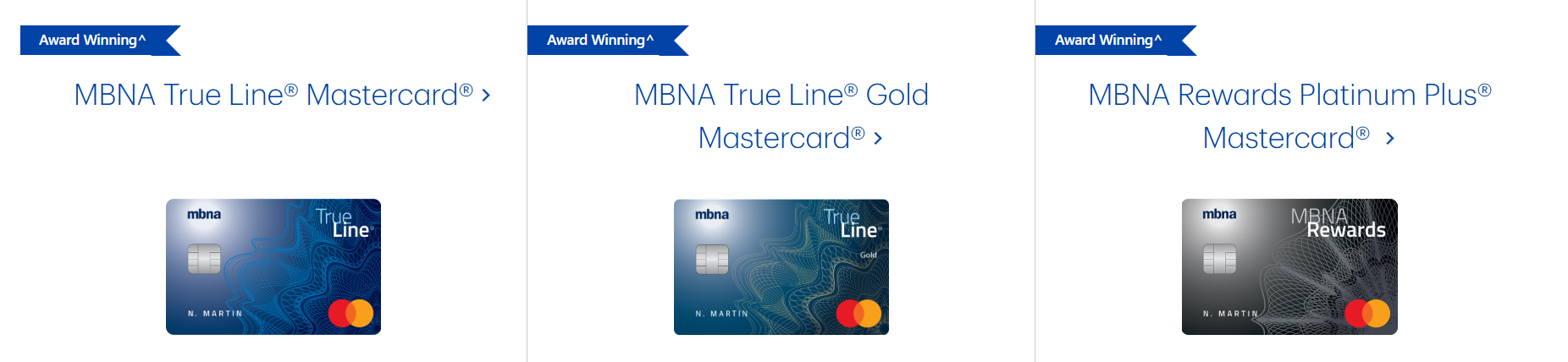
As you scale your content marketing efforts, the costs can add up quickly. Smart safety training companies are maximizing these necessary expenses by strategically allocating their marketing budgets through credit cards that earn substantial travel or cashback rewards.
Consider putting your advertising spend on something like the MBNA Rewards World Elite® Mastercard®. Or maybe there’s a specific business card out there that can give you 2-3x points on advertising with platforms like Google Ads, LinkedIn, and Facebook. Finding the right card could translate to thousands of dollars in travel rewards or cashback annually for companies with significant ad budgets.
The key is ensuring you're paying off balances monthly to avoid interest charges that would negate any rewards benefits. Treat your rewards card as a payment method that enhances your marketing budget rather than a financing tool.
5. Measuring Success and Scaling What Works
Track which content topics and formats generate the most qualified leads and sales conversations. You might find that detailed compliance checklists outperform blog posts, or that video content about specific hazard scenarios generates more engagement than written case studies. Use these insights to refine your content strategy and double down on what's working.
As certain niche content strategies prove successful, you can expand into related niches or develop even more specialized content for sub-segments within your successful niches. This progressive specialization continues building your reputation as the go-to expert for specific safety training needs.
6. Building a Sustainable Pipeline Through Content
The most successful safety training companies using niche content marketing aren't seeing it as a short-term lead generation tactic but as a long-term strategy for building market authority and creating a sustainable pipeline of inbound sales opportunities.
By consistently demonstrating deep expertise in specific niches, you position your company as the obvious choice when organizations need specialized safety training. Take time to think about how your company can improve its approach over the next 90 days.